Renewable Farming

Main News Stories

Glyphosate based herbicide formulations: toxic at “safe” regulatory levels?

A new study accepted for publication in the scientific journal Food and Chemical Toxicity examines a wide range of research on glyphosate in conjunction with its chemical adjuvants, which are used to enhance effectiveness in killing weeds.  Glyphosate is one of the most-studied compounds known. But it has almost always been used alone in toxicology […]

Glyphosate based herbicide formulations: toxic at “safe” regulatory levels? Read More »
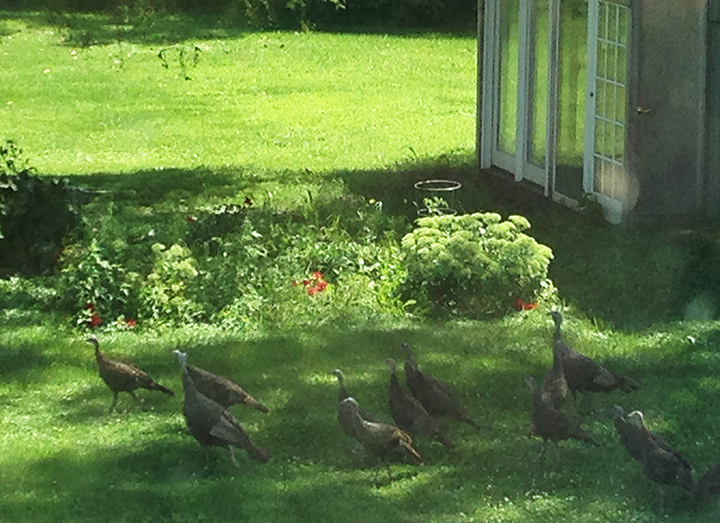
Turkeys in the driveway

More crop diversity, fewer crop pests

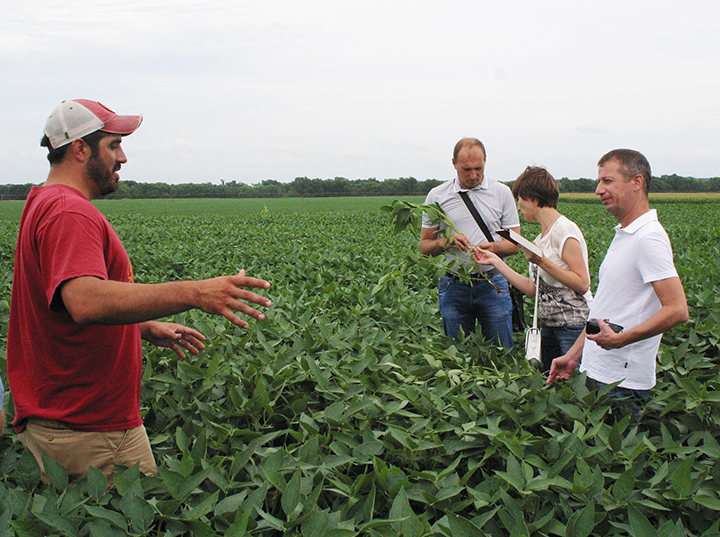
Finally, researchers have actually counted aphids, beetles and other insects in a wide array of actual farm cornfields to confirm — statistically — what many agronomists have long observed: Wider crop diversity on a farm increases diversity of arthropods and thus reduces economic losses from runaway populations of damaging insect pests. Amazingly, USDA-ARS entomologist Jonathan Lundgren and South Dakota State University

More crop diversity, fewer crop pests Read More »

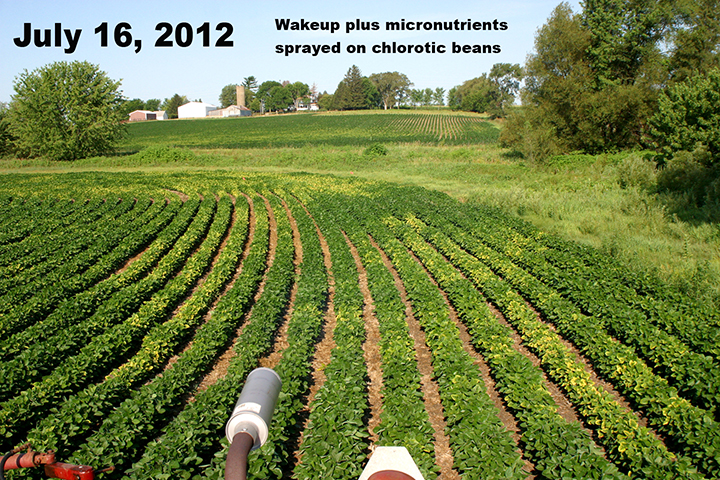
Foliar feeding can add bushels to beans during pod fill

One of the most profitable farming inventions since the combine is the high-clearance, GPS-equipped field sprayer.  But we’re surprised at how early in the season many sprayer owners park their big spray rigs in the machine shed. That doesn’t happen in Europe. Small grains, corn and soybeans typically get foliar-fed through the summer, increasing seed fill and density. If it’s

Foliar feeding can add bushels to beans during pod fill Read More »

Scotland’s government announces total ban on growing of GMO crops

Scotland’s Rural Affairs Secretary, Richard Lochhead, announced that the government will opt out of European Union regulations on GMO crops, and impose a total ban on growing such crops in Scotland. This will include crops previously approved by the European Union. He said, “There is no evidence of significant demand for GM products by Scottish

Scotland’s government announces total ban on growing of GMO crops Read More »

Wildlife and human disease trends — and the herbicide connection

One of the most detailed and documented scientific studies of the link between herbicides and disease in wildlife and humans was published this week in an open-access professional journal, “Poultry, Fisheries & Wildlife Sciences.”  The authors are Judy Hoy, Nancy Swanson and Stephanie Seneff. Swanson and Seneff have compiled in-depth demographics on links between herbicides

Wildlife and human disease trends — and the herbicide connection Read More »

New study: How glyphosate impacts earthworms

Several years ago at a Farmland Foundation reception in Washington DC, I met an EPA official in charge of pesticide registration.  He exuded confidence that his agency was protecting the U.S. public from toxins, while permitting scientific advances in crop protection. I asked, “Does EPA require toxicological studies of herbicide effects on soil organisms such

New study: How glyphosate impacts earthworms Read More »

Heavy metals chelated by glyphosate: A link to kidney disease?

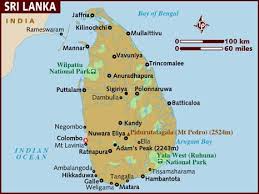
A new study of the epidemic of chronic kidney disease among farmers in Sri Lanka offers another suspected cause: Ten farmers with the disease tested positive for unusually high levels of glyphosate and heavy metals in their urine. This study, coupled with previous medical evidence, have led to a renewed government ban on glyphosate in Sri

Heavy metals chelated by glyphosate: A link to kidney disease? Read More »

Monsanto-initiated study: No glyphosate in human breast milk

A detailed feature by Elizabeth Grossman on the website civileats.com offers the best perspective we’ve seen on the “study vs. study” controversy over glyphosate residues in mothers’ breast milk. You’ve probably seen the report last week from Washington State University assistant professor Michelle McGuire stating that no detectable glyphosate was found in 41 samples of women’s

Monsanto-initiated study: No glyphosate in human breast milk Read More »